






Gardening is a simple way to spend more time outdoors, get creative, and improve your living space. You do not need a large yard, expensive tools, or years of experience to get started. A few small projects can turn a patio, balcony, windowsill, or garden corner into an inviting place to enjoy.
The best projects are easy to begin and simple to maintain. They can also fit different schedules, spaces, and interests. Whether you want to grow herbs, attract pollinators, or create a comfortable outdoor area, these ideas can help you make gardening a regular part of your routine.
Start With a Small Garden Space
Before choosing a project, look around your outdoor area and decide where you would like to work. A sunny corner may be ideal for vegetables or herbs, while a shaded area could be better for certain flowers or leafy plants.
You can garden in many places, including:
– A backyard bed
– A front porch
– A balcony
– A patio
– A windowsill
– A community garden plot
– A collection of containers
Starting small makes it easier to learn what works. Choose one area that is easy to reach and close enough to your home that you will remember to check it regularly.
Create a Container Herb Garden
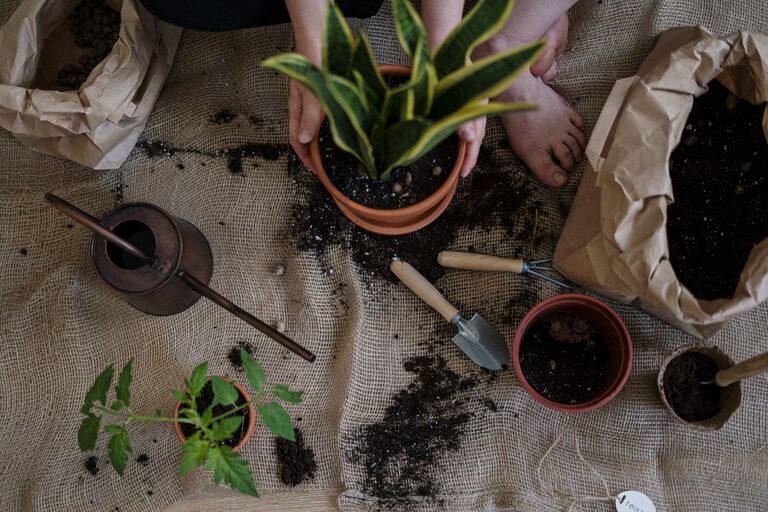
A container herb garden is one of the easiest projects for beginners. Herbs grow well in pots and can add fresh flavor to everyday meals. They also provide a reason to step outside often for watering, trimming, and harvesting.
Choose containers with drainage holes, then fill them with quality potting soil. You can grow herbs from seeds or purchase young plants. Popular choices include:
– Basil
– Chives
– Mint
– Parsley
– Rosemary
– Thyme
Place the containers where they receive the amount of sunlight recommended for the plants. Mint can spread quickly, so it is usually best to grow it in its own pot. As the herbs grow, pinch off a few leaves for cooking. Frequent harvesting can encourage many herbs to produce more leaves.
To make the project more enjoyable, arrange the pots on a small plant stand or group them near a comfortable outdoor chair. This creates a useful garden area and a pleasant place to spend a few minutes each day.
Build a Simple Pollinator Garden
Flowers that attract bees, butterflies, and other pollinators can add color and movement to your outdoor space. A pollinator garden does not need to be large. Even a few containers or a narrow garden bed can make a difference.
Select a mix of flowers that bloom at different times. This can provide color throughout more of the growing season. Look for plants that suit your local climate and growing conditions. Native plants are often a practical choice because they are adapted to the region.
When planning your garden, consider:
– How much sunlight the area receives
– The type of soil available
– The mature size of each plant
– The length of the blooming season
– How much watering the plants need
Group flowers in clusters rather than placing single plants far apart. Clusters are easier to notice and can create a stronger visual effect. Add a shallow dish of clean water with a few stones that rise above the surface. The stones give visiting insects a place to land.
Make a Small Raised Garden Bed
A raised bed can make planting and caring for vegetables feel organized and manageable. It can be built from untreated lumber, purchased as a kit, or created with other sturdy materials designed for garden use.
A small bed measuring about four feet by four feet can provide enough room for several plants without becoming difficult to maintain. Fill it with garden soil and compost, then choose a few vegetables that fit the space.
Good beginner options include:
– Lettuce
– Radishes
– Green beans
– Cherry tomatoes
– Peppers
– Bush cucumbers
Leave enough space between plants for air circulation and easy access. Mark the rows with small labels so you can remember what you planted. A raised bed also makes it easy to observe changes from week to week, giving you a clear reason to spend time outside.
Upcycle Containers for Planting
Repurposing household items can make gardening more affordable and creative. Before using an item as a planter, make sure it is clean, sturdy, and safe for plants. Add drainage holes if needed, and avoid containers that may contain harmful residue.
Possible planters include:
– Old buckets
– Wooden crates
– Large cans
– Baskets lined with a suitable material
– Unused ceramic bowls
– Sturdy storage containers
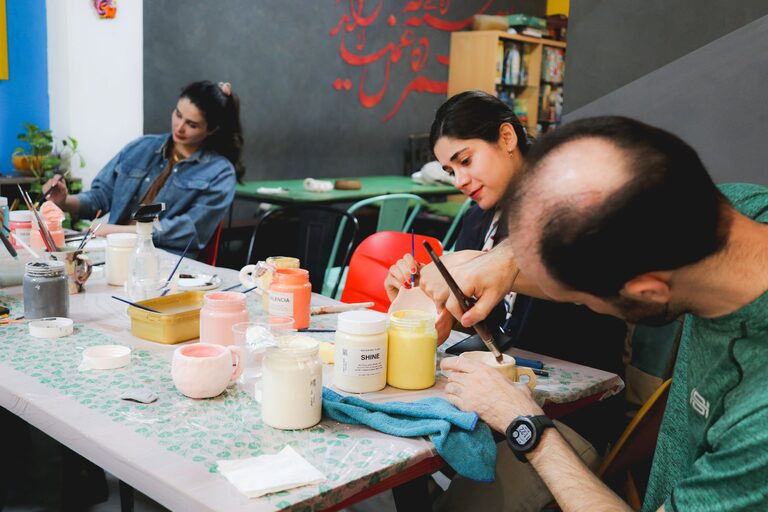
Use containers of different heights to create visual interest. You can also paint the outside of plain pots with outdoor paint made for the material. Add simple labels, patterns, or colors that match your outdoor furniture.
This project is especially useful for small spaces because containers can be moved when sunlight changes or when you want to refresh the layout.
Add a Garden Path
A short garden path can make an outdoor area feel more inviting. It does not need to cross the entire yard. A path leading from a door to a garden bed, seating area, or group of containers can encourage you to walk through the space more often.
For a simple path, mark the route with a garden hose or string. Remove weeds and level the ground, then add materials such as:
– Flat stepping stones
– Wood chips
– Gravel
– Bricks
– Tree rounds intended for outdoor use
Leave enough room for comfortable steps and keep the surface as even as possible. Check the path after rain and make adjustments if materials shift. A clear, stable path can also make watering, harvesting, and general garden care easier.
Create a Comfortable Garden Sitting Area
A garden becomes more useful when it includes a place to pause. Add a chair, bench, or small outdoor table near your plants. Choose a location where you can see the garden but still have enough shade or shelter for comfort.
Keep the area simple. A few helpful additions might include:
– A weather-resistant chair cushion
– A small side table
– A lantern designed for outdoor use
– A basket for gardening gloves
– A nearby watering can
Use this space for reading, planning the next project, observing birds, or simply enjoying the fresh air. Spending even ten minutes outdoors can help turn garden care into a regular habit.
Make Gardening Part of Your Routine
Small, consistent tasks are easier to maintain than occasional large projects. Set aside a few minutes several times a week to check your plants. Look for dry soil, damaged leaves, weeds, or ripe produce.
A simple routine might include:
- Check the soil with your finger before watering.
- Remove weeds while they are still small.
- Trim dead flowers and leaves.
- Harvest herbs and vegetables when ready.
- Record changes in a notebook or phone.
Invite family members or friends to help with planting and harvesting. Children can water containers, decorate plant labels, or measure plant growth. Shared projects can make outdoor activity more enjoyable and give everyone a role.
Keep Projects Manageable
The goal is to create a garden that encourages you to spend time outdoors, not one that feels like a long list of chores. Choose plants that match the time you have available, and add new projects gradually.
Begin with one or two ideas, such as a container herb garden and a comfortable sitting area. Once those are established, you can add a raised bed, pollinator flowers, or a garden path. Pay attention to which activities you enjoy most and build from there.
Easy gardening projects can make outdoor time more purposeful and rewarding. With a few containers, suitable plants, and a little planning, you can create a space that invites regular activity throughout the season.