







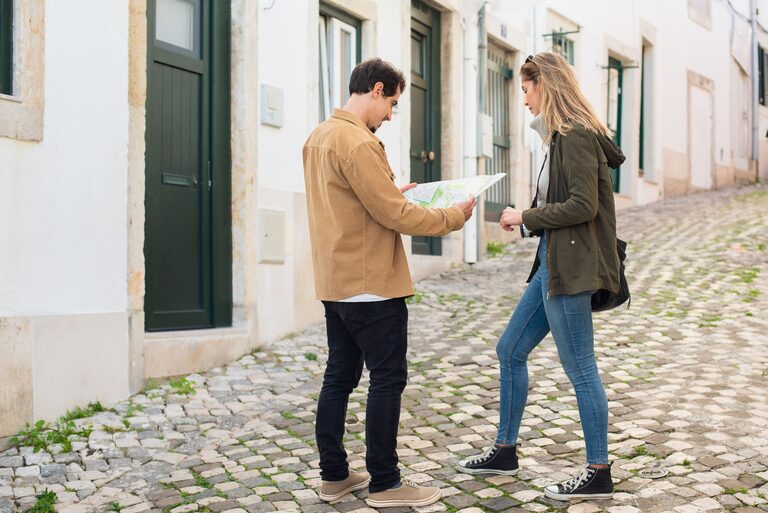
A neighborhood walk can be much more than a way to get from one place to another. With a little planning, an ordinary afternoon can become a small adventure filled with interesting streets, quiet parks, local architecture, and unexpected discoveries.
You do not need to travel far or follow a famous trail. A thoughtful route close to home can provide fresh scenery, gentle exercise, and a chance to notice details you may normally pass by. Whether you have 20 minutes or an entire afternoon, these planning tips can help you create a more enjoyable walking experience.
Start With a Simple Walking Goal
Before choosing a route, decide what you want from the walk. A clear goal makes planning easier and helps you choose streets and stops that match your mood.
Consider these options:
– Enjoying a relaxed stroll with no fixed destination
– Exploring local architecture or historic homes
– Finding parks, gardens, or water views
– Visiting a coffee shop, bakery, bookstore, or market
– Taking photos of interesting signs, plants, or buildings
– Completing a specific distance or walking time
– Connecting several errands into one pleasant outing
Your goal does not have to be ambitious. “See three streets I have never explored” is enough to give a familiar area a new sense of purpose.
Choose a Route That Fits Your Time
A good route should match the time and energy you have available. It is easy to plan a walk that looks manageable on a map but takes longer than expected because of crossings, hills, stops, or distractions.
For a short walk, choose a loop close to home. A loop keeps the route interesting and avoids simply retracing your steps. For a longer outing, connect two or three points of interest, such as a park, public square, and local café.
As a general planning guide:
– A 20-minute walk may cover a few nearby blocks.
– A 45-minute walk can include several streets and one short stop.
– A 90-minute walk allows time for sightseeing, photos, or refreshments.
– A half-day adventure can combine walking with public transportation or planned breaks.
Use a map to estimate distance, but leave extra time for stops and slower sections. If you are exploring an unfamiliar area, begin with a shorter route and add distance if you feel comfortable.
Build a Route With Variety
The most enjoyable routes usually include changes in scenery. Walking several straight blocks along a busy road can become tiring, while a route that moves through different settings feels more engaging.
Try combining:
– Residential streets with small commercial areas
– Tree-lined sidewalks with open public spaces
– Quiet lanes with lively main streets
– Parks with local landmarks
– Flat sections with gentle slopes
– Familiar roads with one or two new turns
You can also create a theme for the route. Look for colorful doors, garden designs, murals, unusual window displays, or different types of architecture. A theme encourages you to pay attention and turns the walk into a simple observation game.
Check the Route Before You Leave
A few minutes of preparation can prevent common problems. Review the route using a map and look for sidewalks, crossings, public paths, and places to pause.
Check for:
– Major roads that may require extra crossing time
– Streets without sidewalks
– Steep hills or uneven paths
– Construction areas or temporary closures
– Parks with limited opening hours
– Restrooms, benches, and water refill locations
– Shops or cafés that can serve as planned stopping points
If your route depends on a bridge, stairway, pedestrian path, or park entrance, confirm that it is open. A backup route is also useful. It can be as simple as identifying a nearby street that will take you back toward home.
Add Planned Stops
Stops give a walking route structure and make it easier to enjoy a longer outing. They also provide opportunities to rest, take photos, or explore something you might otherwise pass without noticing.
Possible stops include:
– A neighborhood park or small garden
– A library, gallery, or community center
– A local bakery or coffee shop
– A scenic overlook
– A public plaza
– A farmers market or independent shop
– A bench near a view or interesting building
Try not to fill every minute with scheduled activities. Leave room for unplanned discoveries. A route is more enjoyable when the plan provides direction without making the walk feel rushed.
Pack Light but Thoughtfully
Most neighborhood walks require very little equipment. Carry only what will make the outing more comfortable.
Useful items may include:
– Comfortable walking shoes
– A refillable water bottle
– Weather-appropriate clothing
– A small snack
– A phone with a map
– Portable phone power for longer walks
– Sunglasses or a hat
– A small bag for purchases
– A notebook or camera for observations
Choose clothing that suits the forecast and the route. If the weather may change, a light outer layer can be more useful than carrying several bulky items. For evening walks, consider reflective details or a small light so you are easier for others to see.
Make the Walk More Engaging
A little creativity can make a familiar neighborhood feel new. Use the walk as an opportunity to slow down and observe your surroundings.
Try one of these ideas:
Create a Photo Challenge
Choose a few subjects before you leave, such as red doors, interesting shadows, flowering plants, public art, or old signs. Photograph only those subjects and see how many examples you can find.
Follow a Color Theme
Pick one color and notice where it appears along the route. You may find it in storefronts, gardens, bicycles, murals, or home decorations.
Explore One New Block
Keep most of the route familiar, but add one street you have never walked. This small change can create a strong feeling of discovery without requiring complicated planning.
Walk at a Different Time
A morning route may highlight gardens, deliveries, and quiet streets. An afternoon walk may offer more activity, while an early evening route can reveal different lights and sounds. Choose a time that fits local conditions and your comfort level.
Bring a Conversation Prompt
If you are walking with someone, discuss favorite local places, memories connected to the area, or what you would improve about the route. Conversation can make the walk feel social without requiring a major destination.
Keep the Experience Comfortable
Pace yourself and allow time for breaks. A walk should be enjoyable rather than a race. If a route includes hills or long stretches without seating, plan a pause before you feel tired.
Pay attention to changing conditions, including heat, rain, traffic, and crowded sidewalks. Follow posted signs and use designated crossings. Keep your phone accessible for navigation, but stay aware of your surroundings.
If you are walking with a group, choose a pace that works for everyone. Families may prefer shorter loops with frequent points of interest, while experienced walkers may enjoy longer routes with fewer stops.
Record and Improve Your Favorite Routes
After the walk, make a quick note about what worked well. Record the route length, favorite stops, comfortable sections, and anything you would change next time.
You can create a small collection of route ideas, such as:
– A quiet morning loop
– A park and café route
– A photo walk
– A rainy-day route with covered stops
– A longer weekend exploration
– A route suitable for visitors
Over time, these notes become a useful personal guide. You may also discover connections between nearby streets and create longer routes without needing to start from scratch.
Turn Nearby Streets Into New Adventures
Neighborhood adventures are easy to overlook because they are close to home. Yet familiar places often contain details that only become visible when you slow down and explore with intention.
Choose a simple goal, plan a route with variety, include a few flexible stops, and leave room for curiosity. With these habits, an ordinary walk can become a refreshing way to enjoy your surroundings, discover local character, and make the most of the time you already have.