







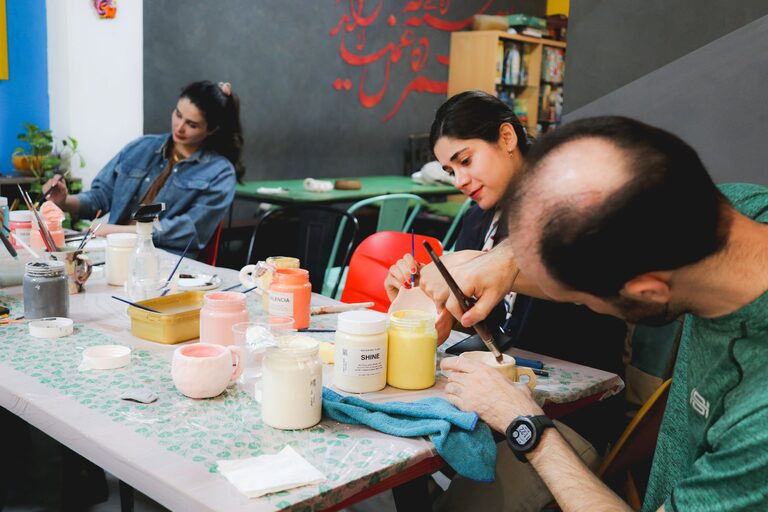
Creative hobbies offer more than a pleasant way to spend free time. They can help you practice concentration, express ideas, learn new skills, and connect with people who share your interests. Whether you enjoy working with your hands, making music, writing, or exploring visual art, the right hobby can bring structure and enjoyment to your routine.
Many creative activities naturally support both focus and social connection. They require attention, patience, and curiosity, while also creating opportunities to join groups, share projects, or learn alongside others. Here are several hobbies to consider and practical ways to make them part of your everyday life.
Why Creative Hobbies Support Focus
Creative work often involves completing a series of small steps. You may need to choose materials, follow instructions, solve problems, and make decisions as you go. This process encourages you to stay with one activity instead of constantly switching between tasks.
A creative hobby can support focus by helping you:
- Practice paying attention to details
- Break larger projects into manageable steps
- Develop patience with gradual progress
- Notice patterns, colors, sounds, or written ideas
- Enjoy the satisfaction of completing a project
Focus does not have to mean working for long periods without interruption. Even a short session can be useful when it gives your attention a clear purpose. Starting with 15 or 20 minutes may make a hobby easier to maintain.
Creative Hobbies to Try
Drawing and Sketching
Drawing is an accessible hobby that can be practiced almost anywhere. A pencil and notebook are enough to begin, and you can gradually explore colored pencils, charcoal, markers, or digital tools.
Sketching encourages close observation. You might draw a household object, a plant, a building, or a scene from a local park. The goal does not have to be a perfect image. Instead, focus on shapes, lines, textures, and proportions.
For a social element, join a local sketching group or participate in an online drawing challenge. Sharing progress can make practice more enjoyable without turning it into a competition.
Writing and Journaling
Writing gives you a flexible way to explore ideas. You could write short stories, personal reflections, poems, travel notes, or descriptions of everyday moments. Journaling can also provide a simple structure for regular creative practice.
Writing supports focus because it asks you to organize thoughts and choose words carefully. It can be especially engaging when you set a small goal, such as writing 200 words or describing one memorable event.
To connect with others, look for a writing workshop, book club, or online community built around a specific genre. Reading and discussing other people’s work can introduce you to new perspectives and techniques.
Music and Singing
Learning an instrument, singing, or exploring music production can combine concentration with self-expression. Practicing music involves listening closely, remembering patterns, coordinating movement, and repeating challenging sections.
Beginners can start with a simple instrument, a basic singing routine, or free lessons from a library or community program. Short, regular practice sessions are often easier to manage than occasional long sessions.
Music is also naturally social. Community choirs, beginner ensembles, jam sessions, and group lessons provide opportunities to learn with others. Even practicing a song with a friend can create a shared goal and a sense of progress.
Crafts and Handmade Projects
Crafts include a wide range of activities, such as knitting, crochet, paper art, sewing, woodworking, clay work, and model building. These hobbies often involve repeated movements and detailed steps, which can create a steady rhythm.
Handmade projects are useful for practicing focus because they require you to follow a process while making adjustments along the way. You may learn from mistakes, test different methods, and gradually improve your technique.
Crafting can also bring people together. Consider attending a workshop, visiting a maker space, or participating in a craft circle. Group projects, such as making decorations for a community event, can add a shared purpose to the activity.
Photography
Photography encourages you to look at familiar surroundings in new ways. You can explore light, color, texture, composition, and timing with a phone or camera.
A simple photography project might involve taking pictures of interesting doors, natural patterns, reflections, or changing skies. Giving yourself a theme helps direct your attention and makes each walk more engaging.
Photography groups often organize local walks, exhibitions, or themed challenges. Sharing images can lead to useful conversations about technique and personal style. You can also create a small album with friends or family around a common topic.
Cooking and Baking
Cooking and baking are creative hobbies with clear, practical results. Recipes provide structure, while ingredient choices, presentation, and flavor combinations allow room for experimentation.
Preparing a meal requires attention to timing, measurements, and multiple steps. This can help you practice staying engaged with the task at hand. Start with a recipe that is slightly challenging but not overwhelming, then record what you learned.
Food also offers an easy way to connect with others. Invite someone to cook with you, exchange recipes, or organize a casual tasting night. Working together in the kitchen can create conversation and shared memories.
How to Make a Hobby Social
A creative hobby does not automatically lead to connection, but small choices can make it more social. Try one or more of these approaches:
- Join a beginner class at a library, community center, or local studio.
- Invite a friend to work on a project at the same time.
- Attend a club focused on your chosen activity.
- Share finished projects with a supportive group.
- Volunteer your creative skills for a community event.
- Take part in a friendly challenge with a clear, shared theme.
Look for groups that welcome beginners and value learning over performance. A comfortable environment makes it easier to ask questions, exchange ideas, and keep attending.
Tips for Building a Consistent Creative Routine
The most helpful hobby is one you can enjoy regularly. Keep the first steps simple:
- Choose an activity that genuinely interests you.
- Set aside a specific time each week.
- Keep basic supplies easy to reach.
- Start with small projects that can be finished in one or two sessions.
- Track progress with notes, photos, or a project list.
- Allow yourself to experiment without expecting perfect results.
It can also help to alternate between solo and social sessions. For example, you might sketch alone during the week and attend a group class on the weekend. This balance gives you quiet time for concentration and shared time for encouragement.
Finding the Right Creative Outlet
There is no single best hobby for everyone. Some people prefer quiet activities such as writing or drawing, while others enjoy the energy of music, cooking, or group crafts. Consider what type of experience you want: calm and detailed, active and collaborative, practical and hands-on, or open-ended and imaginative.
Try a few activities before making a long-term commitment. Borrow supplies, attend an introductory class, or follow a short beginner project. Pay attention to how you feel during and after the activity. If it holds your interest and gives you a reason to return, it may be a good fit.
Creative hobbies can turn ordinary time into an opportunity to concentrate, learn, and connect. With a manageable routine and an open attitude, even a small project can become a rewarding part of your week.